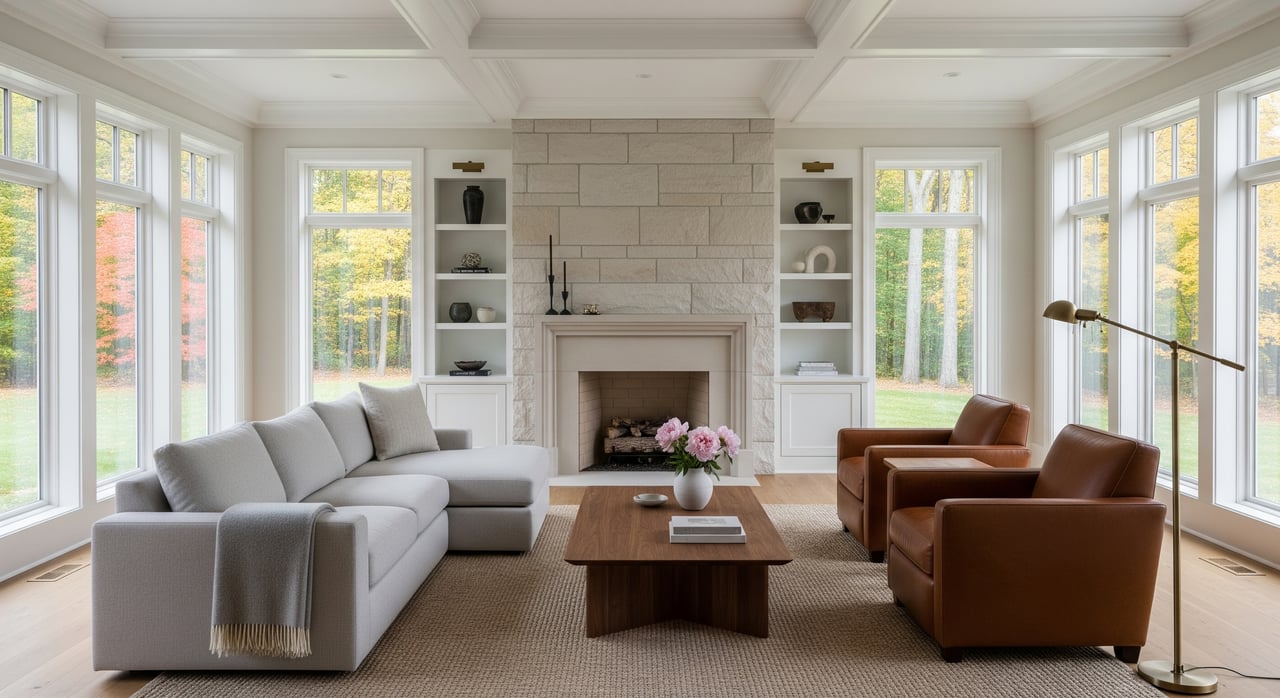
Two Weston homes can have the same square footage and acreage, yet one attracts multiple offers while the other lingers. The difference is often staging that shows both the house and the land as a turnkey lifestyle. If you want your property to stand out, you need a plan that captures privacy, outdoor living, and polished interiors in person and in photos. This playbook gives you actionable, design-led steps plus anonymized before-and-after examples you can follow. Let’s dive in.
What Weston buyers expect
Weston buyers value privacy, wooded settings, and well-maintained outdoor spaces along with finished interiors. You want to show how the land works for daily life, from morning coffee on the porch to evenings by a fire pit. Drone imagery is often essential to convey scale, access, and context on larger parcels. Your goal is to present a home and property that look easy to live in and easy to maintain.
Curb appeal that shows your land
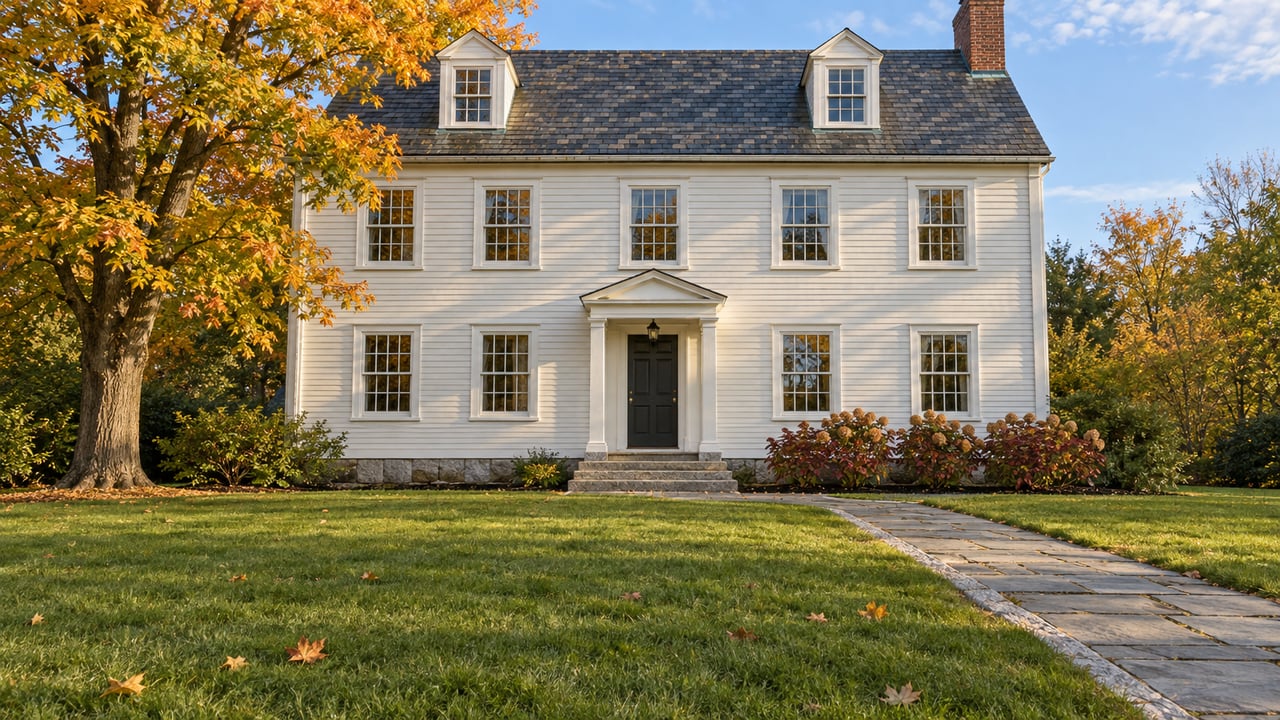
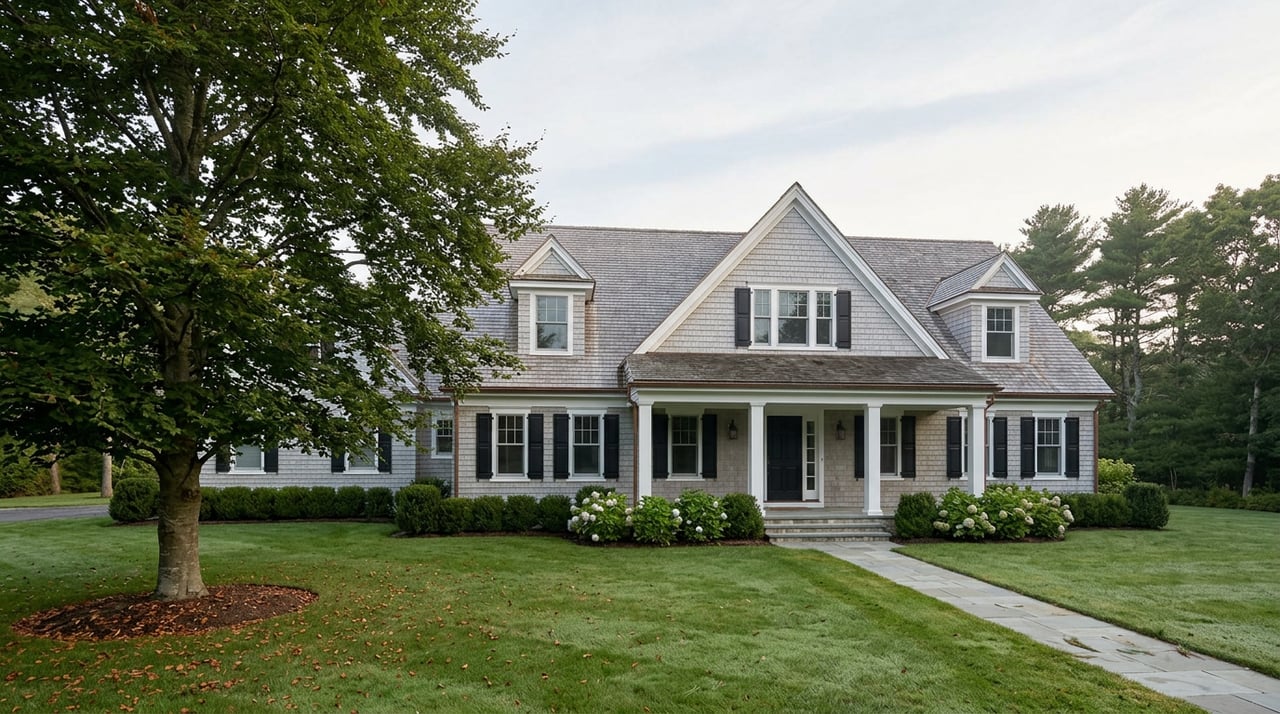
First impressions start at the road, the drive, and the front door. On acreage, you are also selling the approach and usable open space.
Driveway and entry
- Sweep or blow leaves and debris, then edge the driveway for a clean, defined line.
- Fill or mask minor potholes and refresh borders with mulch or stone where appropriate.
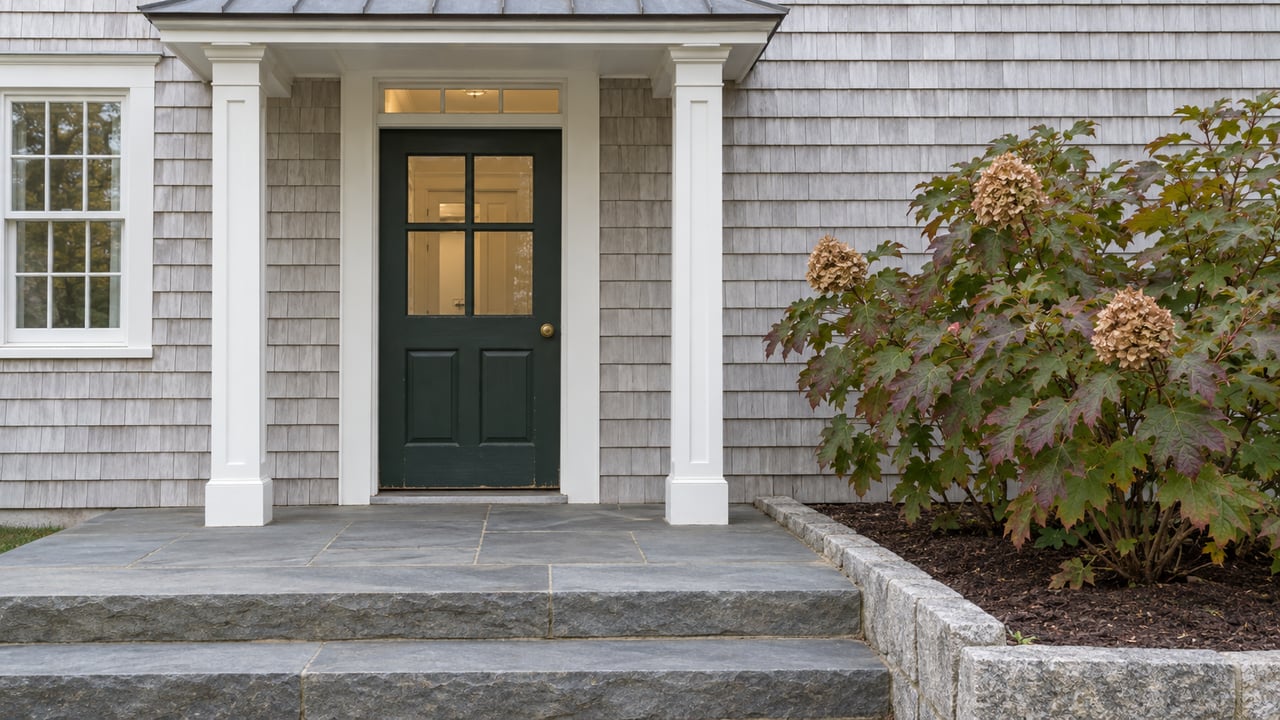
- Repaint or refinish the front door in a classic accent color and update hardware.
- Add symmetrical planters or a simple seating vignette scaled to the porch.
Lawn, beds, and sightlines
- Mow and trim to frame open, usable areas and reveal views to meadows, ponds, or woodland.
- Cut back overgrowth near the house to open visual corridors and improve light.
- Create a maintained “show” zone that demonstrates how much of the acreage is usable.
- In fall, style with tasteful seasonal accents. In winter, lean on structure and lighting.
Outbuildings and amenities
- Declutter and repair visible sheds, barns, paddocks, and fences.
- Stage obvious uses, like a small tack-room vignette or a picnic setup near a meadow.
- Ensure driveway access and parking are clear, and remove any items that cross easements.
Top 3 curb fixes for acreage
- Clean, edged driveway and clear approach.
- Fresh front door and simple, scaled porch styling.
- Defined open space with visible paths to key features.
A paint plan that photographs beautifully
A cohesive palette helps buyers focus on space and light instead of color.
House-wide neutrals
- Choose one or two warm, classic neutrals for main floors and hallways to create flow.
- Paint trim and ceilings a crisp or subtly warm white so rooms read clean in photos.
- Use matte or eggshell on walls to reduce glare, and satin on trim and doors for durability.
Targeted accents
- Keep character where it helps. Add or preserve a single accent wall in an entry, study, or the primary bedroom to add depth.
- Avoid trendy or extreme colors that can date listing photos.
High-impact areas first
- Prioritize the entry, living room, kitchen, main bath, and exterior trim/front door when budget is limited.
- Tackle additional rooms only if multiple spaces feel dated or highly personalized.
Light that sells
Great lighting makes rooms feel larger, warmer, and more inviting in photos and showings.
- Layer ambient, task, and accent lighting in every room.
- Use LED bulbs at roughly 2700 to 3000K for warm, welcoming tones. Increase lumens rather than color temperature if rooms feel dim.
- Update dated fixtures in the entry, kitchen, and baths with transitional styles that appeal broadly.
- Remove heavy drapes, clean windows, and trim shrubs that block light. Plan interior photography for bright, diffuse daylight.
- Add exterior lighting along paths, the drive, and near outdoor vignettes for twilight photos and safe evening showings.
Make big rooms make sense
Large or unusual rooms should demonstrate clear purpose and flow.
- Declutter and depersonalize. Store extra furniture, collections, and family photos.
- Use rugs and groupings to define zones like a conversation area, reading nook, or desk.
- Arrange for easy circulation while emphasizing views to the yard or architectural features.
- Stage basements, attics, and outbuildings with simple setups like a home gym, playroom, or workshop.
Program your acreage with outdoor rooms
Buyers are choosing a lifestyle, so show how the land supports daily use.
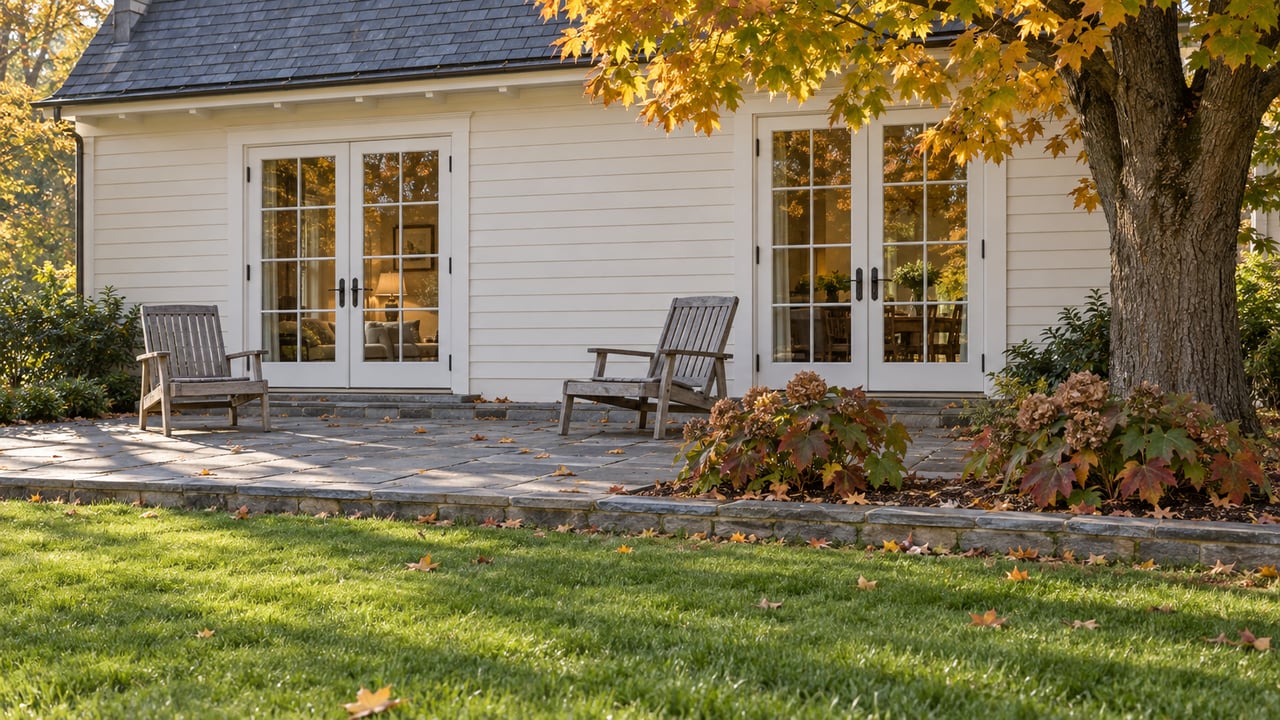
- Create outdoor vignettes: a dining area, fire pit lounge, hammock or reading spot, or a children’s play zone.
- Define simple paths with mulch or stone to lead the eye to key areas, paddocks, or trails.
- If you have irrigation or other maintenance features, call them out in your listing copy.
- For low-maintenance appeal, demonstrate a native bed or meadow section as an alternative to full lawn.
- Photograph outdoor rooms “in use,” such as a set table or a lit fire pit, and include aerial views to show their placement on the property.
Timing your launch with the seasons
Seasonality matters in New England and can change what buyers see first.
- Spring and summer highlight landscaping, lawn lines, and usable yard space.
- Autumn showcases foliage and color that frame outdoor rooms beautifully.
- Winter can reveal structure and property lines. Prioritize clean driveways, visible rooflines, and warm lighting. Make a strong virtual presentation with interior photos and aerials when planting is dormant.
Shoot-day checklists
Use these simple lists to stay organized and photo-ready.
Interior checklist
- Tidy surfaces and hide small appliances, cords, papers, and trash cans.
- Make all beds with fresh linens and one tasteful accent.
- Clear kitchen and bath counters, leaving one or two styled items.
- Open blinds and curtains; pull back heavy drapes.
- Turn on all lights and match bulb color temperatures.
- Replace burned-out bulbs and clean fixtures.
- Remove small rugs that bunch and minimize visible remotes and chargers.
- Add a small fresh floral or greenery arrangement in the entry, kitchen, and dining room.
Exterior checklist
- Mow and edge the lawn in show zones and clear debris around the house.
- Sweep porches, walks, and the driveway. Remove bikes, toys, and bins.
- Park cars off-site or out of frame.
- Stage porch seating and set an outdoor table for a few shots.
- Ensure pools or ponds are clean and switch on exterior lights for dusk photos.
Photographer and drone plan
- Share a clear shot list: front elevation from the road, driveway approach, main rooms, kitchen details, primary suite, baths, mudroom, key views, outbuildings, paddocks, trails, aerial parcel views, and neighborhood context.
- Hire a licensed drone operator who follows FAA Part 107 rules and carries insurance. Confirm local permissions and plan safe launch and landing zones.
- Schedule flights when winds are calm and plan golden hour or dusk for dramatic exteriors.
- Prepare light staging props: cushions, throws, minimal tabletop accessories, and fresh flowers.
- Confirm bulb temperatures and white balance to avoid mixed color casts.
Weston before-and-after playbook
These anonymized examples show how targeted staging reveals lifestyle and land value.
Case study: The Meadow Estate
Situation before: Long drive with leaf buildup, dark interior corridors, dated kitchen finishes, and unclear property edges in photos. The approach felt heavy and the land’s scale was not obvious.
Interventions implemented:
- Curb: Edged the driveway, removed visual clutter, added two low-maintenance planters, and painted the front door a classic accent color.
- Paint: Unified the main floor in a warm neutral, with bright white on trim and ceilings.
- Lighting: Replaced the entry pendant and kitchen pendants with transitional fixtures, standardized bulbs at 3000K.
- Furniture edits: Created a defined conversation zone in the living room and a reading niche to show scale.
- Outdoor staging: Set a dining scene by the meadow and added drone photos that clearly showed parcel boundaries and trails.
Outcomes: Listing photos felt brighter and more cohesive. Showings increased, with buyers commenting on the meadow and the ease of the approach. Interest broadened, and time on market decreased compared with the property’s prior presentation.
Case study: The Barn & Garden
Situation before: Barn clutter, overgrown specimen beds, and a small kitchen that felt tight while the owners lived on-site. Outbuildings looked like storage rather than lifestyle assets.
Interventions implemented:
- Barn: Full cleanout, repaired door hardware, and staged a small tack-room vignette to suggest equestrian potential.
- Garden and landscape: Cleared beds, defined a path to a seating area, and styled a compact fire pit lounge.
- Interiors: Removed personal collections, replaced dated rugs and lighting, and neutralized the main bath.
- Photo plan: Captured a twilight exterior of the barn and an aerial showing a walking trail that connects the house and outbuildings.
Outcomes: Buyers responded to the barn’s purpose and the garden’s flow. The home attracted more qualified tours and moved forward with stronger offers than before staging.
Your Weston staging plan in 7 steps
- Walk the property from the road in. Note first impressions, approach, and sightlines.
- Define the “show zone” and the outdoor rooms you will stage.
- Build a simple paint plan focusing on the entry, living areas, kitchen, and primary bath.
- Update lighting and standardize bulbs to warm color temperatures.
- Edit furniture to clarify zones and circulation. Store extras.
- Schedule professional photos and licensed drone imagery with a clear shot list.
- Time your launch to the season that best highlights your acreage, or plan a strong virtual presentation if listing in winter.
Ready to position your Weston property as a turnkey lifestyle that sells? The right staging plan will show how your home and land live every day, in person and online. If you want expert help tailoring this playbook to your address, connect with Leslie Clarke for a design-led, concierge plan that fits your goals.
FAQs
Will staging pay for itself on an acreage property?
- Staging often reduces time on market and can help attract stronger offers by clarifying lifestyle and use of land, though results vary by market, condition, and scope.
What staging items matter most for Weston acreage?
- Clear driveway and curb presentation, defined outdoor rooms, neutralized interior finishes, layered lighting, professional photography, and licensed drone imagery.
Should I repaint the entire house before listing?
- Not always. Start with the entry, main living areas, primary bedroom, and exterior trim or front door, then expand only if multiple rooms feel dated or highly personalized.
Do I need a professional stager or can I DIY?
- DIY edits work well for occupied homes. For vacant or higher-end acreage listings, professional staging and furniture rental can elevate results. Always hire licensed pros for drone work.
Are aerial images really necessary for large lots?
- They are highly recommended because they show scale, access, and context that ground photos cannot. Ensure the operator follows FAA Part 107 rules and local permissions.
How should I time photos and showings with the seasons?
- Spring and summer highlight lawns and gardens, fall adds color and warmth, and winter favors clean lines and strong lighting. Choose the season that best shows your property’s strengths.