Dreaming of a home where beach walks, train access, and downtown dining all fit into the same day? Fairfield Beach offers exactly that kind of coastal lifestyle, but it also comes with practical details you need to understand before you buy or sell. If you are exploring this part of Fairfield, this guide will help you picture daily life, compare the shoreline areas, and think clearly about homes, zoning, and flood considerations. Let’s dive in.
What Fairfield Beach Living Feels Like
Fairfield Beach living usually refers to Fairfield’s shoreline Beach Area, a flat suburban neighborhood near downtown and the train station. It is a setting that appeals to people who want coastal access without giving up day-to-day convenience.
That balance is a big part of the draw. You can enjoy time by the water, then head into downtown Fairfield for dining, shopping, or errands without feeling cut off from the rest of town.
Fairfield’s shoreline includes five town beaches along roughly five miles of coast. Penfield Beach is about 1.25 miles from the Fairfield train station on flat terrain, which helps explain why the area is often seen as a realistic option for commuters who want a beach-to-train lifestyle.
Why Buyers Look Here
For many buyers, Fairfield Beach feels like a year-round coastal neighborhood rather than a seasonal getaway. The area supports everyday routines, not just summer weekends.
The flat terrain makes it especially practical for walking, running, and biking. Town materials even note that you can run almost anywhere in the area, which says a lot about how easy the neighborhood is to use and enjoy on a daily basis.
If you are relocating from a city or simply want a more connected coastal lifestyle, that convenience matters. According to town materials, if you take the train to Fairfield station, you do not need a car to shop, dine, exercise, tour historic sites, or visit a beach.
Fairfield’s Five Town Beaches
Each Fairfield beach has its own rhythm, amenities, and parking rules. Knowing the differences can help you choose the shoreline experience that best matches how you want to live.
Jennings Beach
Jennings Beach is one of the best-known shoreline destinations in town. It offers an access pier, food concession, picnic area, seasonal rest rooms, and ADA-compliant access.
In season, Jennings allows either a beach sticker or a daily gate fee. Current town materials list the daily fee at $40 on weekdays and $50 on weekends and holidays for cars without stickers.
Jennings is also a center for shoreline activity and events. It hosts recurring events such as the Beach Bunny 5K and the Fairfield Food Truck Festival, so it often feels lively and social during the warmer months.
Penfield Beach
Penfield Beach is also ADA compliant and follows the same in-season parking rules and fees as Jennings. Its location is especially notable because it is about 1.25 miles from the Fairfield train station.
That makes Penfield part of the appeal for buyers who want a home base that connects shoreline living with commuting ease. It is one of the clearest examples of how Fairfield Beach blends recreation and routine.
Southport Beach
Southport Beach is generally described as smaller and quieter. It has bathrooms, a concession stand, and summer lifeguards.
For some buyers, that quieter scale is a plus. If you want shoreline access with a more tucked-away feel, Southport may be the beach that best fits your lifestyle.
South Pine Creek and Sasco
South Pine Creek and Sasco are often described as local favorites for calmer settings and fewer crowds. These beaches can appeal to people who value a more low-key shoreline experience.
They are also part of what makes Fairfield’s coast feel varied. Even within one town, you can find different textures of beach living, from more active and social to more peaceful and understated.
Beach Access and Parking Rules
Beach access in Fairfield is straightforward, but parking rules matter. The beaches are free to enter, yet parking is controlled from Memorial Day Saturday through Labor Day.
During that period, Jennings and Penfield allow either a beach sticker or a daily gate fee. Southport, Sasco, and South Pine Creek are resident-sticker beaches, so access by car works differently there.
If you are buying in the area, it is smart to think about how often you plan to drive versus walk or bike to the beach. The answer can shape how important proximity, parking permits, and daily convenience feel to you.
The Seasonal Rhythm of the Shore
Summer is the busiest beach season, with lifeguards, amenities, and the most activity. That is when Fairfield’s shoreline feels most energetic, with events and beach days in full swing.
Spring and fall tend to be quieter and more scenic. For many full-time residents, those shoulder seasons are part of the area’s real charm because the coast still feels active without the peak-season pace.
Winter is quieter, but the shoreline does not go dormant. Locals still head to the beach for walks and photography, which reinforces the idea that Fairfield Beach is a place for year-round living.
Dog owners should also know the seasonal rules. Fairfield allows leashed dogs from October 1 through March 31 at most beaches, and Jennings allows dogs off-leash year-round.
Community Life Near the Water
Life near Fairfield’s shoreline is about more than sand and water. The area includes everyday recreation and recurring community events that add to the lifestyle.
Recurring shoreline events include Make Music Fairfield, the Beach Bunny 5K at Jennings Beach, and the Fairfield Food Truck Festival at Jennings. The town also notes that July 4 fireworks affect beach parking at Jennings and Penfield, which is useful to know if you plan around holiday traffic and access.
There are also nearby amenities that support active family life. Henry Rowland Park’s Sandcastle playground and the Jennings Beach Skate Park add options for kids and teens close to the shore.
Dining and Daily Convenience
One of Fairfield Beach’s biggest strengths is that the shoreline is not isolated. You are close to a wider town center with dining, shops, and daily services.
CTvisit lists restaurants within roughly a mile of Jennings Beach, including Haven Hot Chicken, Flipside Burgers & Bar, Milkcraft, Brick Walk Tavern, Centro Ristorante & Bar, Archie Moore’s, Gabagool Wine Bar, and Colony Grill. Near Southport Beach, town and visitor materials also note places such as Paci Restaurant, Artisan Restaurant/Tavern & Garden, Geronimo Tequila Bar and Southwest Grill, and Local Kitchen & Beer Bar.
Downtown Fairfield itself has about 40 restaurants and many retail shops. For homeowners, that means beach living here can feel both relaxed and practical, with real day-to-day convenience built in.
What Homes Look Like Here
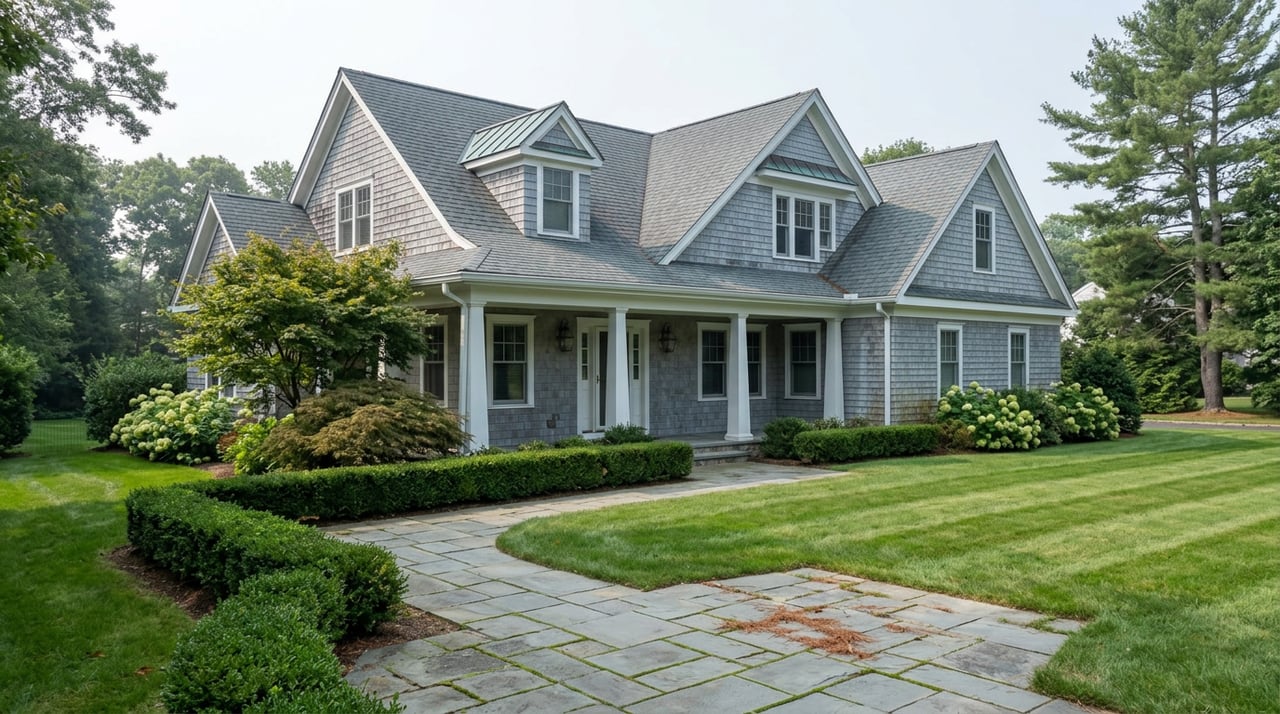
The housing stock in Fairfield’s Beach Area reflects both its history and its evolution. You will see a mix of older beach cottages and ranches alongside newer rebuilds.
Town walking-tour material notes that small ranch-style houses have increasingly been replaced by much larger two- and three-story homes designed to withstand future hurricanes. That shift helps explain why buyers often find a broad range of home styles, lot use, and levels of updating within the same general area.
For sellers, that variety can affect how a property is positioned in the market. Presentation, condition, and how a home’s design fits current buyer expectations can make a meaningful difference in how it stands out.
Zoning Matters in the Beach District
If you are considering a purchase, zoning should be part of your research early on. Fairfield’s Beach District zoning is low-density and strongly residential.
The zoning rules allow one detached dwelling per lot and no more than four unrelated occupants. Conforming lots are generally at least 9,375 square feet, and the height cap is two stories or 30 feet.
Accessory uses can include garages and certain waterfront improvements, such as boathouses, landings, and docks where permitted. These details matter if you are evaluating future plans, renovations, or the long-term use of a property.
Flood Risk and Insurance Planning
On any shoreline purchase, flood risk is a practical part of the conversation. In Fairfield, zoning regulations apply flood-protection rules to FEMA-mapped special flood hazard areas.
The town also notes that it has participated in the National Flood Insurance Program since 1978. For buyers, that means flood-zone review should be part of your due diligence, especially if you are comparing homes with different elevations, ages, and construction styles.
Most homeowners insurance does not cover flood damage. Flood insurance pricing can depend on where a home is located, how it is built, its age, and its layout.
This does not mean shoreline ownership is out of reach. It does mean you should approach the process with clear eyes, good property-specific guidance, and a strong understanding of how resilience features and insurance costs may affect your ownership experience.
Is Fairfield Beach Right for You?
Fairfield Beach can be a strong fit if you want a coastal lifestyle that still supports everyday living. You get public beach access, a flat neighborhood layout, nearby dining, and realistic train access, all within a shoreline setting that works across the seasons.
At the same time, beach living here comes with tradeoffs. Seasonal parking rules, zoning limits, and flood and insurance diligence are all part of the picture.
For many buyers and sellers, that is exactly why local insight matters. Understanding not just the beauty of the area, but also the practical details behind each property, is what helps you make a smart move with confidence.
If you are thinking about buying or selling near Fairfield Beach, working with a team that understands coastal homes, presentation, and the details that shape value can make the process much smoother. To start the conversation, connect with Leslie Clarke.
FAQs
What is Fairfield Beach living like in Fairfield, CT?
- Fairfield Beach living usually means living in Fairfield’s shoreline Beach Area, a flat suburban neighborhood near downtown and the train station with access to five town beaches.
Which Fairfield beaches have public parking options?
- From Memorial Day Saturday through Labor Day, Jennings Beach and Penfield Beach allow either a beach sticker or a daily gate fee, while Southport, Sasco, and South Pine Creek are resident-sticker beaches.
How close is Fairfield Beach to the train station?
- Penfield Beach is about 1.25 miles from the Fairfield train station on flat terrain, and town materials note that a beach-to-train lifestyle is realistic in this area.
What kinds of homes are in the Fairfield Beach Area?
- The housing mix includes older beach cottages and ranches, along with newer larger rebuilds, including two- and three-story homes designed to withstand future hurricanes.
What should buyers know about flood risk in Fairfield Beach?
- Buyers should review whether a property is in a FEMA-mapped special flood hazard area, since flood risk, flood-protection rules, and flood insurance costs are important parts of shoreline due diligence in Fairfield.
Are Fairfield beaches only busy in summer?
- No. Summer is the peak season, but spring and fall are quieter and scenic, and winter still draws locals for beach walks and photography.
Is Fairfield Beach convenient for dining and errands?
- Yes. The shoreline is close to downtown Fairfield, which has about 40 restaurants and many retail shops, and several restaurants are located within roughly a mile of Jennings Beach.