If you are searching in Norwalk, one question comes up fast: which neighborhood actually fits the way you want to live? That can feel tricky because Norwalk’s neighborhood names often work more like market shorthand than hard legal borders. The good news is that once you understand the tradeoffs between coastline, train access, and lot size, the city gets much easier to navigate. Let’s dive in.
Why Norwalk neighborhoods can feel confusing
In Norwalk, neighborhood labels do not always line up with one single map. The city maintains official neighborhood association boundaries, while planning documents also refer to village districts, station areas, and waterfront communities.
That means the same home might be described in different ways depending on the context. For buyers, the practical takeaway is simple: focus less on the label itself and more on the lifestyle, housing type, and price point that each area tends to offer.
Across the city, Norwalk’s median listing price was around $669,500 in spring 2026. Within that broader market, neighborhoods like Rowayton and Silvermine tend to sit in a higher price band, while SoNo is generally a lower entry point and East Norwalk and Cranbury often fall somewhere in the middle.
Rowayton: coastal village living
Rowayton is Norwalk’s clearest premium coastal pocket. City zoning and design guidelines for the Rowayton Avenue Village District are built around preserving waterfront character, supporting water-dependent uses, and protecting public and visual access to the water.
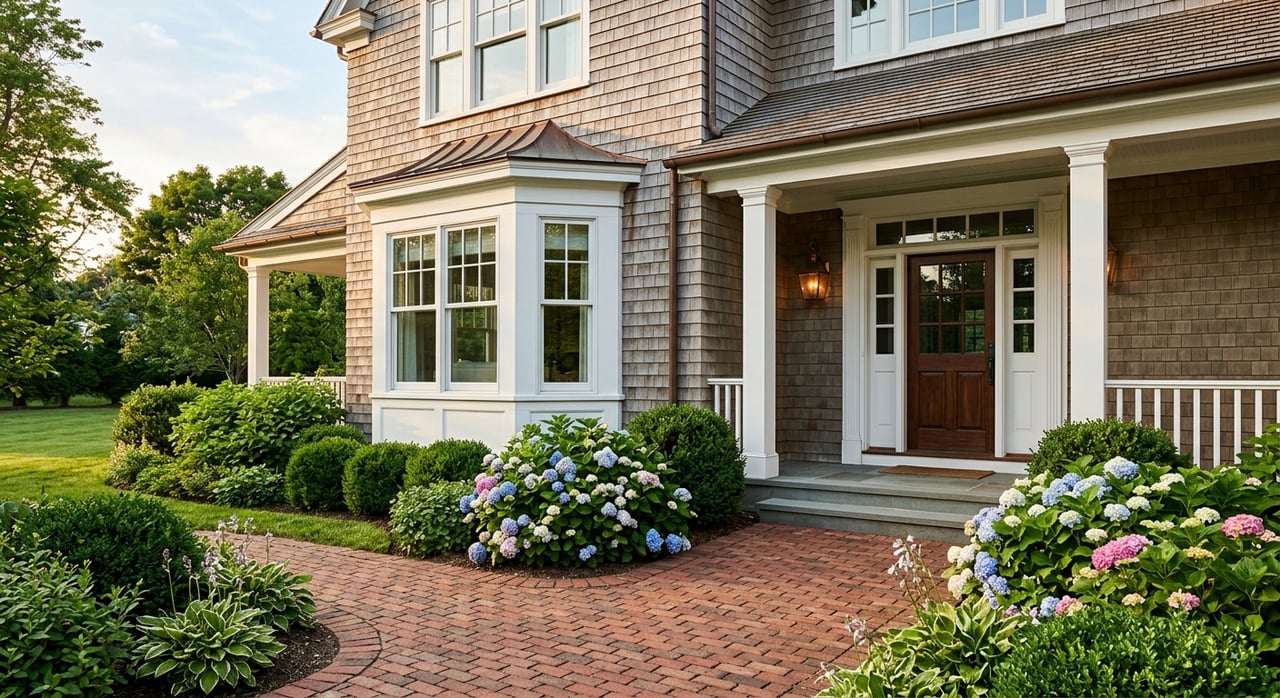
You also see that identity in the built environment. The district emphasizes traditional New England coastal materials and forms, including pitched roofs, wood clapboards, brick, and stone.
From a market standpoint, Rowayton stands apart. Recent data placed the median sale price around $2.5 million and the median listing price around $2.6 million, making it one of the highest-priced areas in Norwalk.
For commuting, Rowayton station is ramp-accessible, but there is no accessible path between platforms. The nearest fully accessible stations are Darien and South Norwalk, which may matter if accessibility is a key part of your search.
Who Rowayton tends to suit
Rowayton often appeals to buyers who want a coastal setting first and are comfortable paying a premium for it. If your wish list includes waterfront character, boating-oriented surroundings, and a village feel, this is usually the area people compare first.
SoNo: downtown energy and walkability
SoNo is the branded downtown section of South Norwalk. The city’s SoNo Station Design District was created to support a higher-density mix of housing, offices, retail, services, and public uses around the train station.
In practical terms, that means SoNo is one of Norwalk’s clearest urban-style options. It is known for a walkable waterfront setting, a concentration of dining and small shops, and close proximity to places like the Maritime Aquarium.
South Norwalk station is fully accessible and served by Norwalk Transit. If train access and a more connected street life are high priorities, SoNo is often the most straightforward fit.
Price is another reason buyers look here first. Recent data showed a median sale price around $446,000 and a median listing price around $529,000, which places SoNo below the other core neighborhoods in this comparison.
Who SoNo tends to suit
SoNo often works well if you want convenience, train access, and a lower entry point into Norwalk. Buyers who prefer less yard work and more walkability often find this area especially appealing.
East Norwalk: beach and train balance
East Norwalk sits in a useful middle ground. The city’s East Norwalk Village TOD design guidelines describe it as a walkable, pedestrian- and bicyclist-friendly mixed-use village with a maritime identity centered on the station and nearby commercial streets.
Like Rowayton, the design language leans traditional, with guidance that favors materials such as wood clapboards, brick, and stone. At the same time, the area’s identity is tied closely to both daily convenience and shoreline access.
East Norwalk station is ramp-accessible, though it does not have an accessible path between platforms. The area also connects to Calf Pasture Beach, and Calf Pasture and Shady Beach provide Norwalk’s main public beach amenities, including about three-quarters of a mile of coastline.
Recent listing data placed East Norwalk around an $845,000 median listing price. That helps position it as a rail-plus-beach hybrid for buyers who want more balance than either SoNo or Rowayton alone may offer.
Who East Norwalk tends to suit
East Norwalk can be a strong fit if you want access to the shoreline without giving up day-to-day convenience. It often appeals to buyers looking for a blend of station proximity, mixed-use surroundings, and public beach access.
Cranbury: inland space and park access
Cranbury is a very different Norwalk experience. It reads as the city’s inland suburban choice, with more green space and a detached-home feel than the shoreline neighborhoods.
A major local anchor is Cranbury Park, which spans 227 acres and includes wooded trails, an orchard, and disc golf. That kind of land use shapes the feel of the area and helps explain why many buyers see Cranbury as a space-first option.
Market data reinforces its middle-ground position. Redfin’s March 2026 sale data showed a median around $668,000, which is close to the citywide median listing range noted above.
Who Cranbury tends to suit
Cranbury often appeals if you are looking for more yard, more greenery, and a more suburban rhythm. If beach access and downtown walkability matter less than space and park access, this neighborhood is worth a close look.
Silvermine: wooded and higher-end inland
Silvermine offers one of Norwalk’s most distinct inland settings. The city describes hilly, curved country roads, few sidewalks, antique homes, stone walls, streams, ponds, and waterfalls, which creates a very different atmosphere from the station-centered or coastal neighborhoods.
This is also an upper-tier market. Redfin placed Silvermine’s March 2026 median sale price at about $1.4 million, while NeighborhoodScout’s broader estimate was about $883,616. The numbers differ, but both suggest Silvermine sits well above the middle of the Norwalk market.
For buyers, the key point is less about one exact price and more about the overall profile. Silvermine tends to offer a wooded, historic-feeling inland setting with a premium market position.
Who Silvermine tends to suit
Silvermine may be the right fit if you want privacy, natural surroundings, and homes with a more tucked-away character. Buyers comparing it with Rowayton are often deciding between inland setting and coastal setting rather than price alone.
How to compare Norwalk neighborhoods
If you are deciding between these five areas, it helps to think in terms of tradeoffs. Most buyers narrow the field faster when they choose which matters most: coast, transit, or lot size.
| Neighborhood | Best known for | Approximate recent price signal |
|---|---|---|
| Rowayton | Premium coastal village setting | About $2.5M median sale, $2.6M median listing |
| SoNo | Walkable downtown and train access | About $446K median sale, $529K median listing |
| East Norwalk | Beach and station balance | About $845K median listing |
| Cranbury | Inland suburban feel and park access | About $668K median sale |
| Silvermine | Wooded inland premium setting | About $1.4M median sale |
A simple way to think about it is this:
- Choose Rowayton if coastal character is your top priority.
- Choose SoNo if walkability and train access lead your list.
- Choose East Norwalk if you want a middle ground between beach access and convenience.
- Choose Cranbury if you want more green space and a suburban feel.
- Choose Silvermine if you want a more secluded inland setting with an upper-tier price point.
What this means for your home search
The best Norwalk neighborhood is usually the one that matches how you live on a daily basis. A quick commute, beach access, architectural character, and lot size can all matter, but not equally for every buyer.
That is why a neighborhood search works best when you move beyond broad labels and compare actual blocks, housing stock, station access, and price bands. In Norwalk, those details often tell you more than the name alone.
If you want help comparing Norwalk neighborhoods with a clear eye on lifestyle, pricing, and property presentation, Leslie Clarke offers thoughtful, local guidance across Fairfield County.
FAQs
What does SoNo mean in Norwalk?
- SoNo is the branded downtown section of South Norwalk, centered around a walkable waterfront area and the South Norwalk train station.
Is Rowayton part of Norwalk?
- Yes. Rowayton is a neighborhood within Norwalk and is known as the city’s premium coastal village market.
Which Norwalk neighborhood has the best train access?
- South Norwalk is the clearest choice for train convenience in this comparison because South Norwalk station is fully accessible and serves the downtown SoNo area.
Which Norwalk neighborhood is closest to public beach amenities?
- East Norwalk is closely tied to Calf Pasture Beach and Shady Beach, which provide Norwalk’s main public beach amenities.
Which Norwalk neighborhood feels most suburban?
- Cranbury is often the most suburban-feeling option in this group because of its inland setting, detached-home character, and proximity to Cranbury Park.
Which Norwalk neighborhood is the most expensive?
- Rowayton is the highest-priced area in this comparison based on recent median sale and listing data, with Silvermine also sitting in an upper-tier price band.